It took me a little over 10 years to write my first tweet, and a little over 8 years to come back to this project and leave no stone unturned. I smell progress.
With only fond memories of playing Orumant, I decided to play other games of the series. And put my coding skills to use and if needed reverse engineer these games.
My first attempt to make this game work again was in 2018. I downloaded Shirard’s Forge, since I had never played it, and assumed a single-player game would have everything it needed.
I was wrong. The Era of Eidolon games came out in 2004 and 2005, and all of them needed an internet connection, even the single-player chapters. Some of the assets, where the enemies stood and how strong they were, the doors joining one map to the next: all of it came from the server. Quite smart for a game of that era, since it made updating the content and rebalancing the game easy.
At the time I had no experience in Java and there was no AI to help me out, so when I had full flow fully working it was an interesting puzzle to solve.
- Unarchive the game
- Fix issues preventing the game from starting
- Start game in emulator
- Investigate what requests the game is making and start building server code. And repeat.
Funny enough at the time of the first attempt I even bought the original EraOfEidolon domain - with working server, all old copies would have suddenly started to work again. Since the project failed, I didn’t keep the domain, also it had a bad reputation that got attached to my server.
Second attempt with the help of AI
It all started by noticing that I had unused tokens in my weekly Claude usage. I knew that big parts of the game were missing, so the goal was to make sure if we can start the game and see the empty map and maybe walk in it. And step by step I kept pushing further, and we did extensive web search to find all available versions of all games - in hope to find versions that would have something more. And we hit a literal jackpot.
Eighteen builds of the series survive, eleven of them story chapters, and one of them was different. It was Shirard’s Forge, the same game I had tried in 2018, built on 29 April 2005 for Nokia phones with the bigger 176×208 screen. On the same day watAgame built a version for older phones, and that one is 4 files and 63 KB. The Nokia one is 76 files and 151 KB, and the extra files are the world data the server used to send. That build was packed to run without the server.
What the server used to send, and what that one build had:
- Where every creature stands: in that build, all 111 of them
- Every door and where it leads: in that build
- Crates, chests, levers and the people you talk to: in that build
- The quest, what unlocks what: in that build
- Creature health and damage: still gone
- How a fight plays out, who hits whom and for how much: still gone
- Your hero, gold, experience and shop prices: still gone
Now I felt really lucky, I had a game that you could explore and complete original quests. Only needed some balancing changes to make it challenging and fun to play. And spoiler alert, it was a bit too challenging. The more I tried to balance, the more changes I wanted to make to the game. After a short while the game wasn’t feeling as difficult, and I started even working on some new mechanics, attack patterns… And I quickly realized if I don’t stop, I will end up with Era of Eidolon: Dark Souls edition.
The game is playable, even the card games were brought back (you can even play online with your friends if you both use the same server). And I’m putting a stop to this effort.
Below in this post are all the games, maps and enemies from all games, feel free to explore and if you balance the game or add new quests let me know.
Play it
Everything is on GitHub: floatas/era-of-eidolon. You need Python 3 and Java 11 or newer. To play Shirard’s Forge in your browser:
git clone https://github.com/floatas/era-of-eidolon
cd era-of-eidolon
./run/web.sh
It prints a local address to open. Arrow keys move, Enter confirms, and
Escape goes back. ./run/play.sh runs it in a desktop window instead.
Give web.sh a name to open something else:
| Command | What you get |
|---|---|
./run/web.sh | Shirard’s Forge, the whole working game |
./run/web.sh SterlingLake | Sterling Lake’s maps to walk, with no doors or creatures |
./run/web.sh MistralGrove | Mistral Grove, the same |
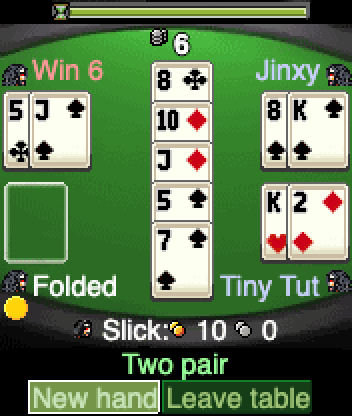
./run/web.sh Poker | Badaz Poker, fully working game |
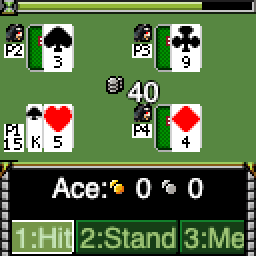
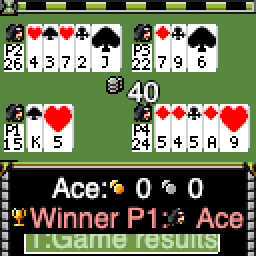
./run/web.sh Blackjack | Badaz Blackjack, the same |
./run/web.sh Orumant | The Orumant Arena town; most screens open empty |
./run/web.sh Dagonar | The Dagonar Arena town, the same |
The README has the desktop commands for each.
What’s preserved
Everything below comes from the original jars, or from the game as it runs today.
The three chapters
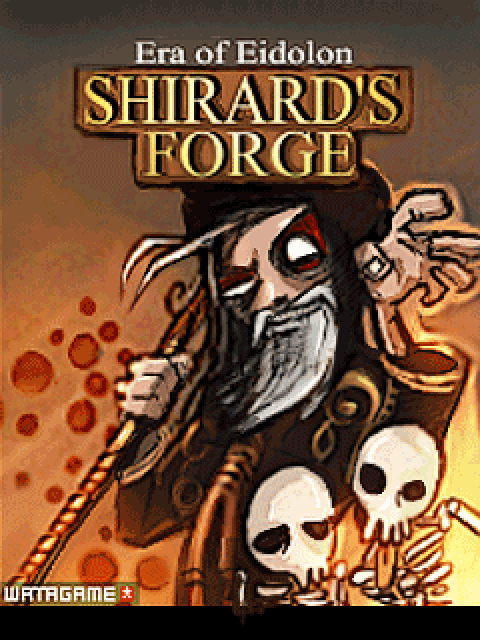
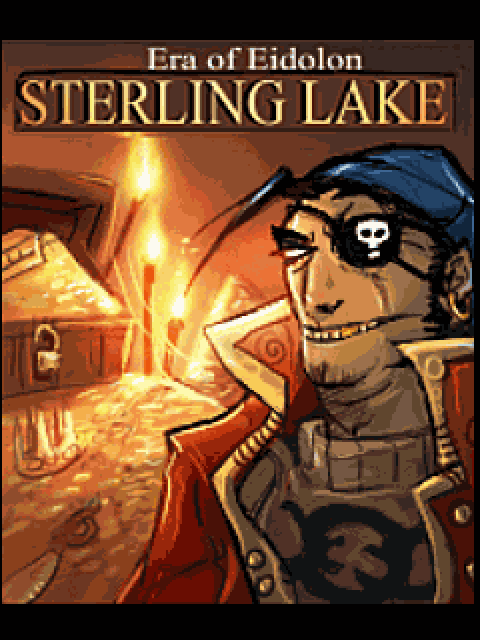
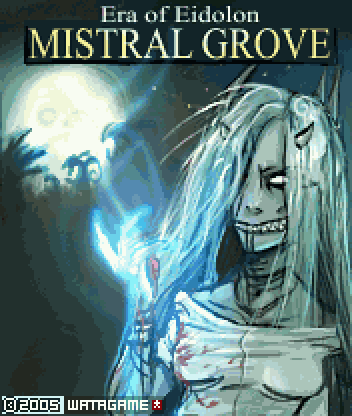
Only Shirard’s Forge survives with its world. The other two open as bare maps.
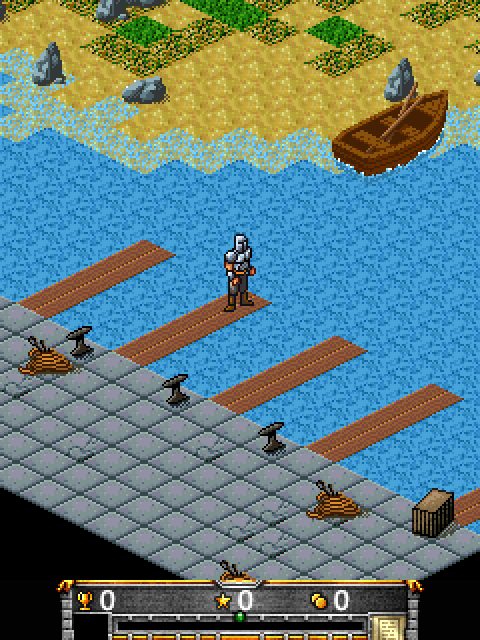
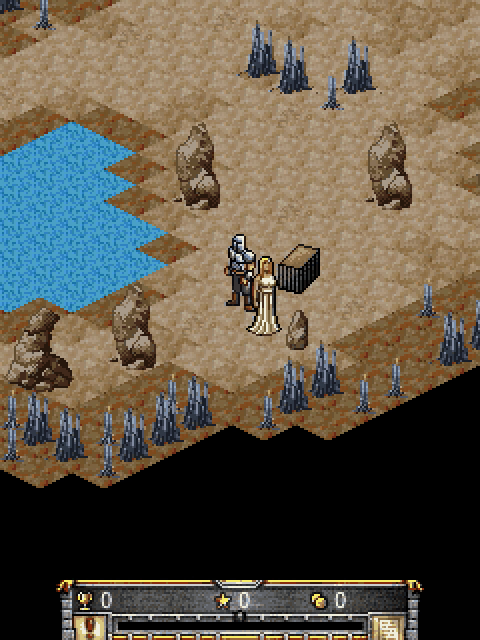
The same game without the world data and with it.
Shirard’s Forge
Eighteen rooms around a volcano, laid out where their doors put them. Thirteen lock together; the other five are joined by doors in the middle of a room, like portals, so where those groups sit means nothing.
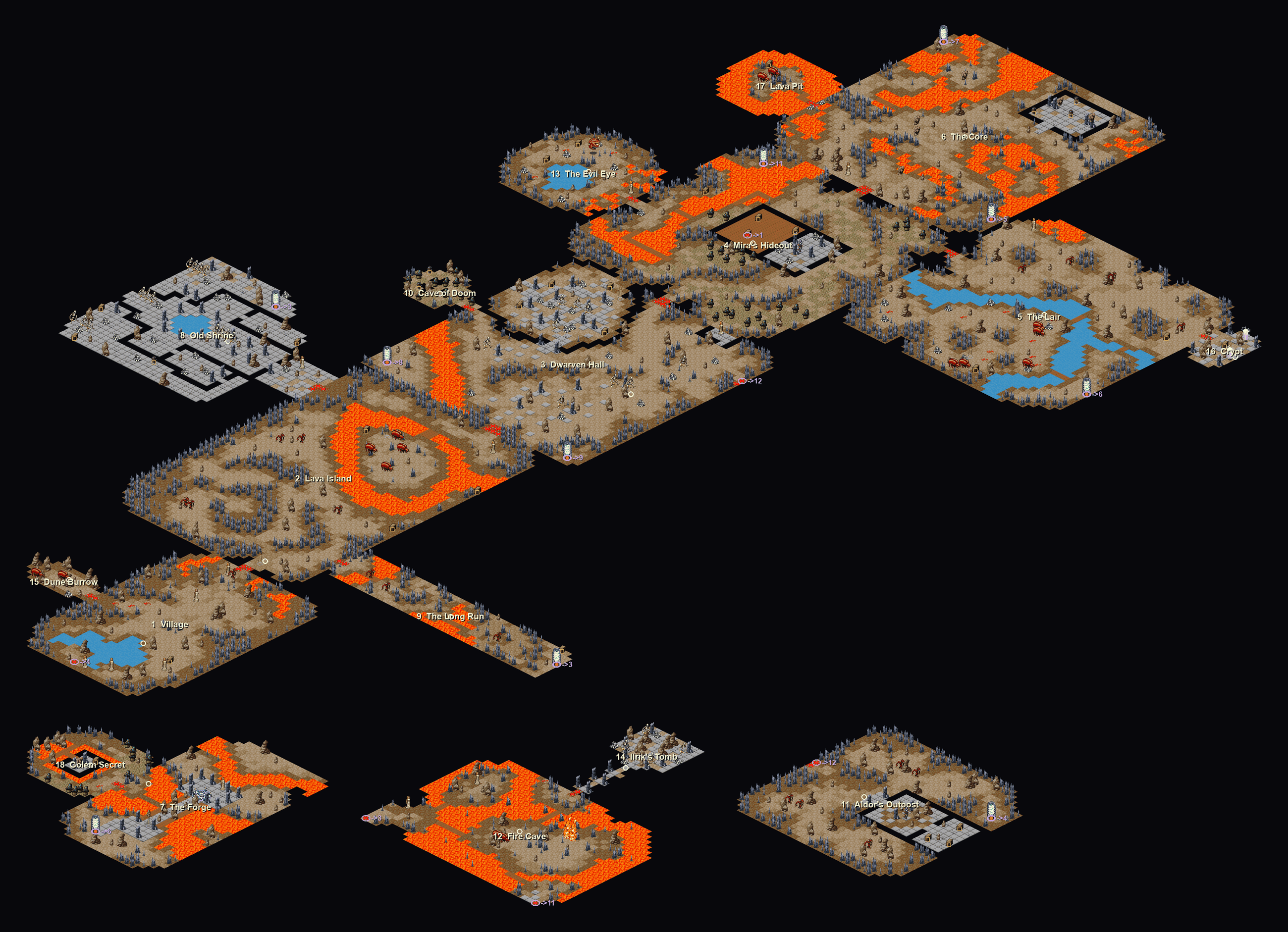 Shirard’s Forge, every room where its doors put it. Click for full size.
The whole chapter is one errand: three cogwheels to turn the lava back.
| where | what | gives |
|---|---|---|
| Lava Island | a crate | cogwheel 1 |
| Dwarven Hall | a crate | cogwheel 2 |
| Mira’s Hideout | a boss | she tells you where the third is |
| The Lair | a crate | cogwheel 3 |
| The Forge | a statue | and what’s behind it |
Thirty seconds of the chapter running today: the Village, its people, and a secret in Dune Burrow.
On screen
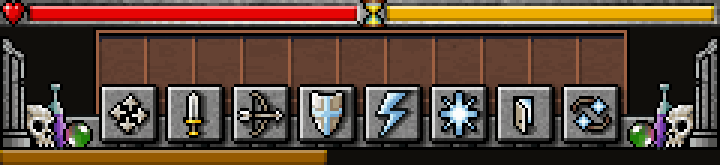 The fight bar.
 The walking bar: trophies, stars, gold, experience and the quest book.
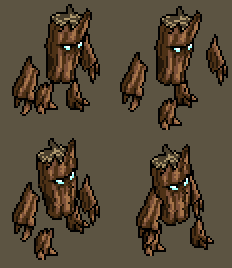
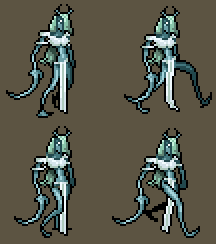
Every creature
Shirard’s Forge











Sterling Lake






Mistral Grove









Sterling Lake
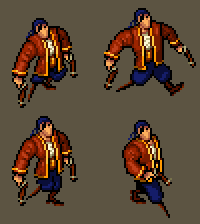
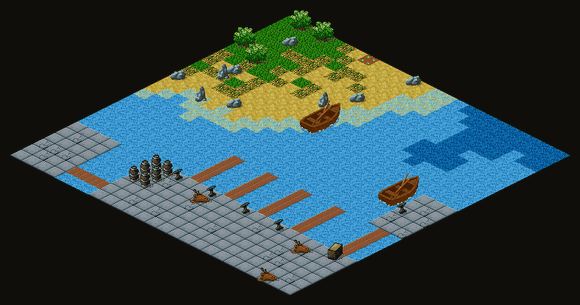
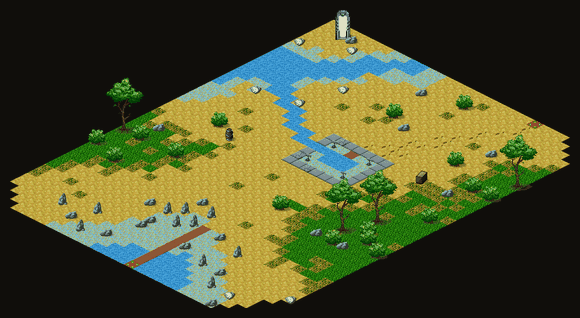
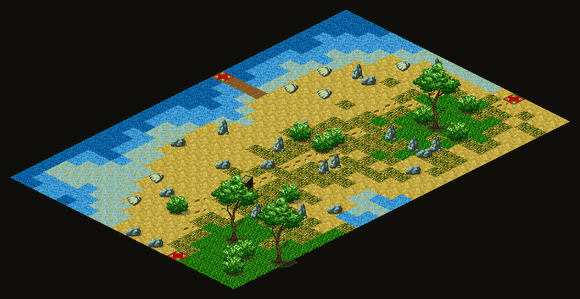
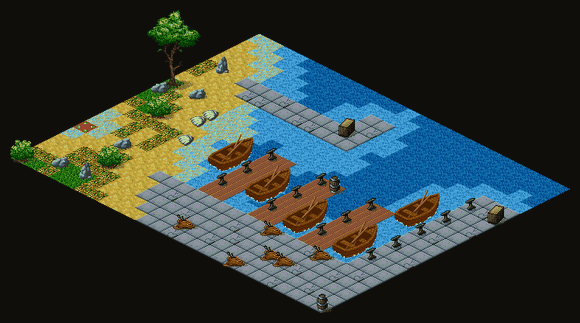
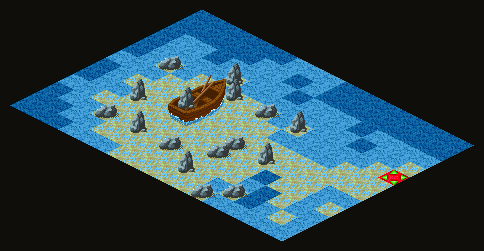
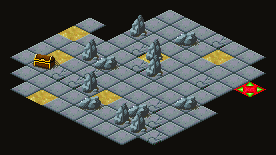
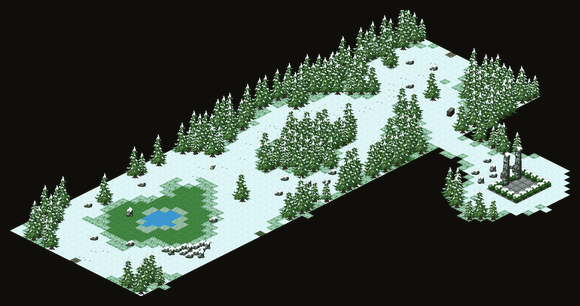
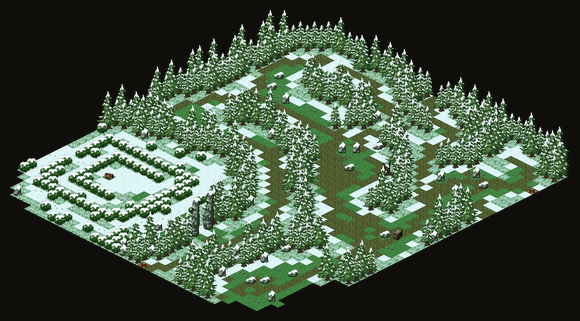
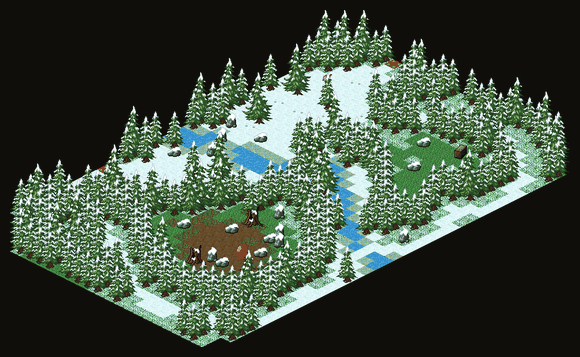
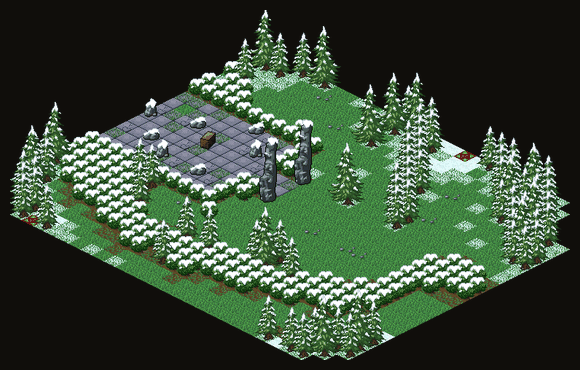
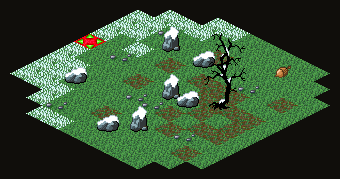
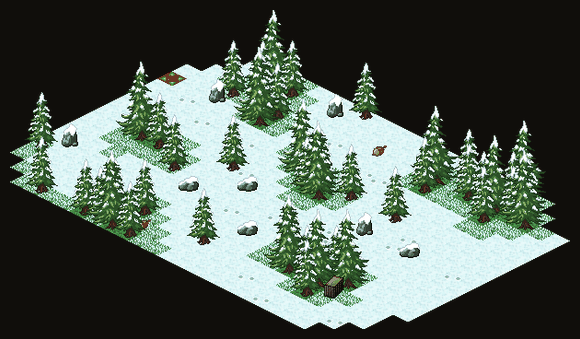
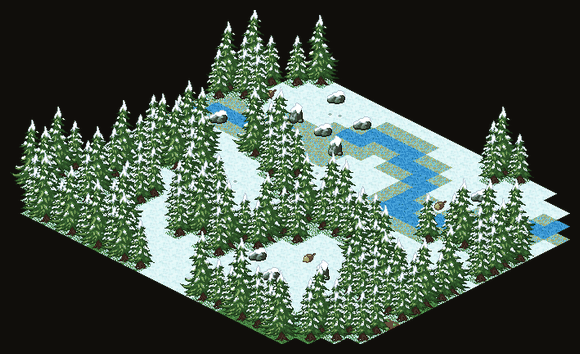
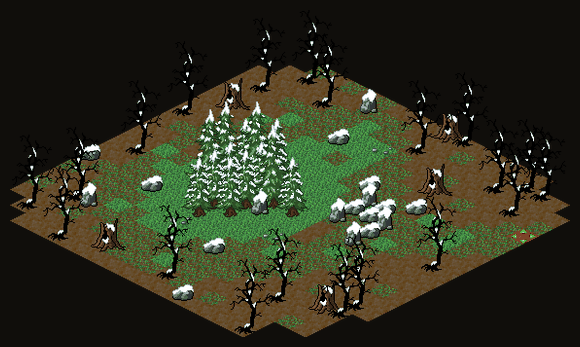
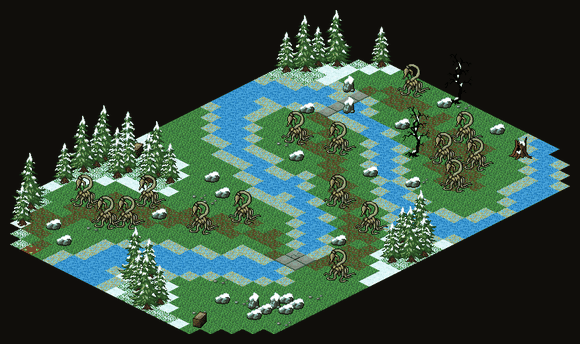
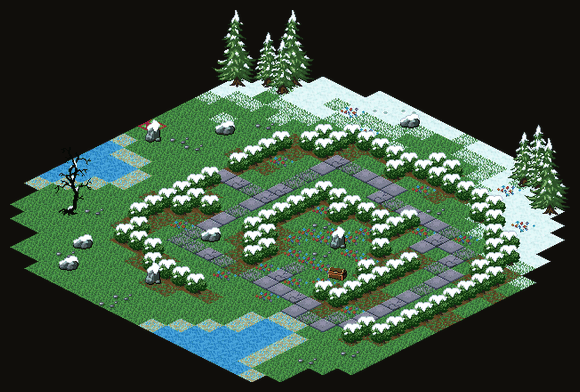
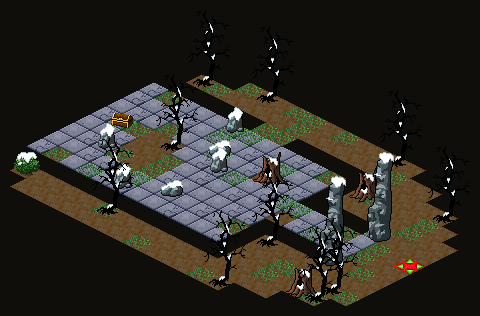
Its doors came from the server, so nobody knows which room joins which. Here is every room, ground only, numbered the way the game numbers them: seventeen rooms of water and jetties, with fishmen, crabs, sandleeches and a pirate called Black Eye.
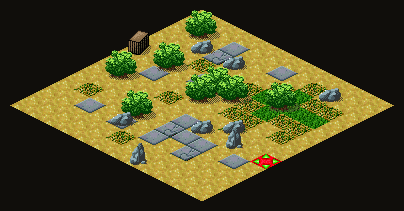
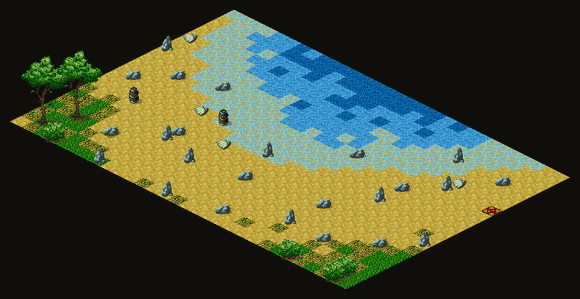
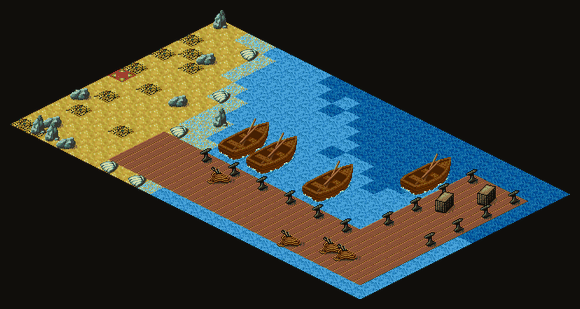
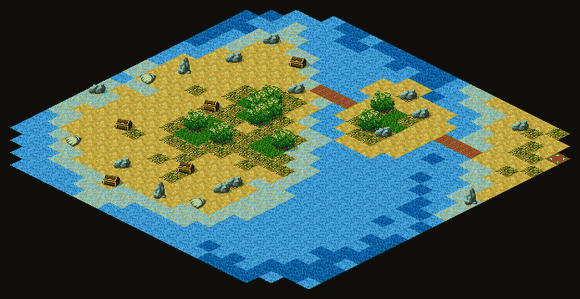
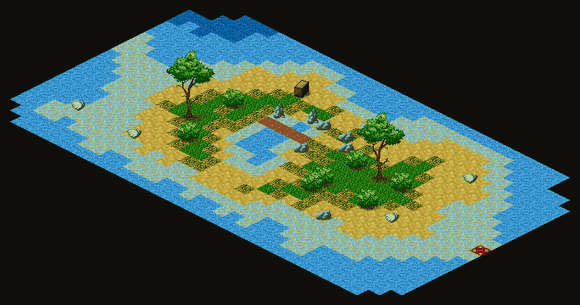
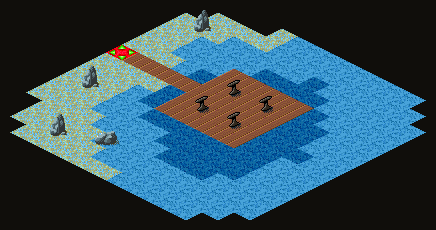
Mistral Grove
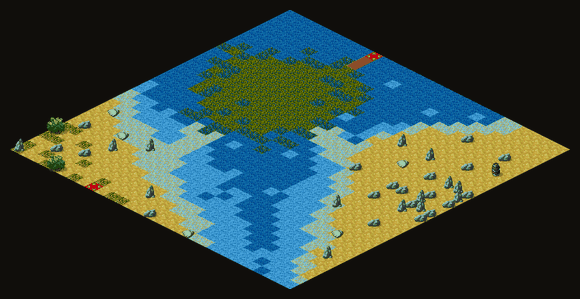
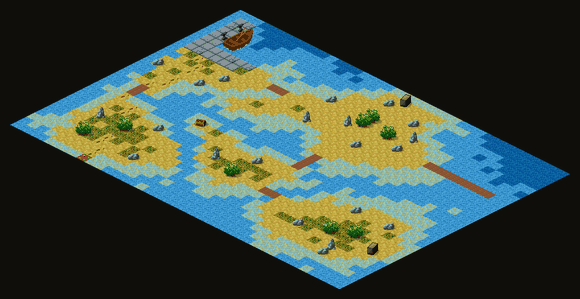
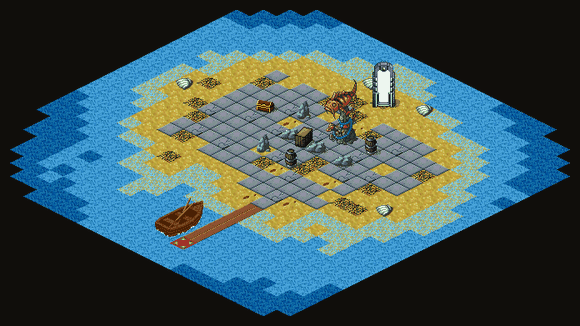
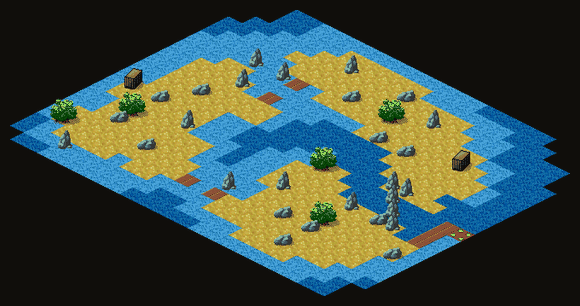
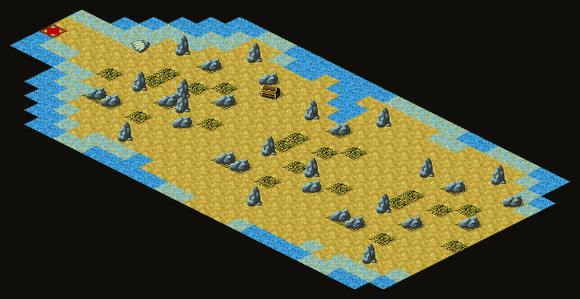
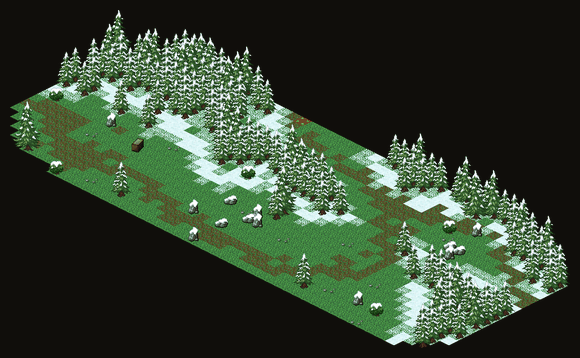
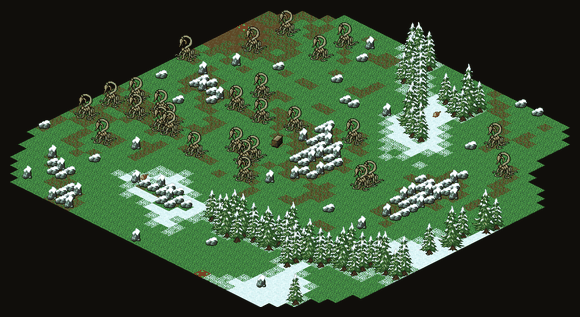
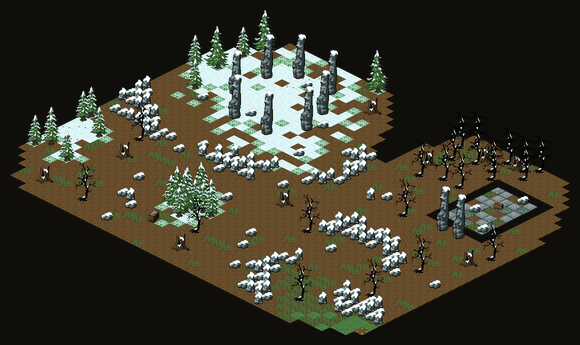
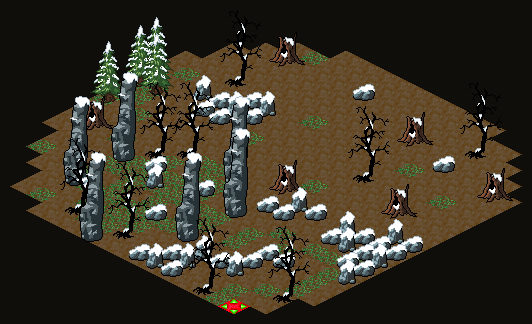
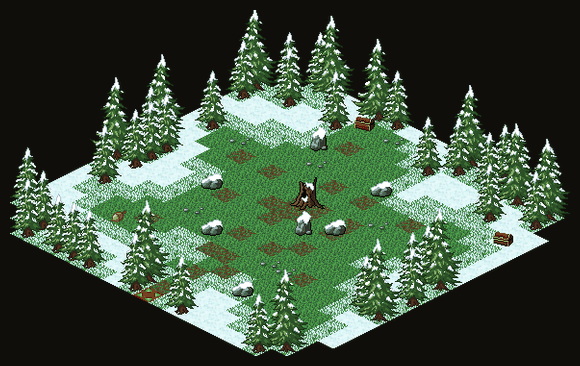
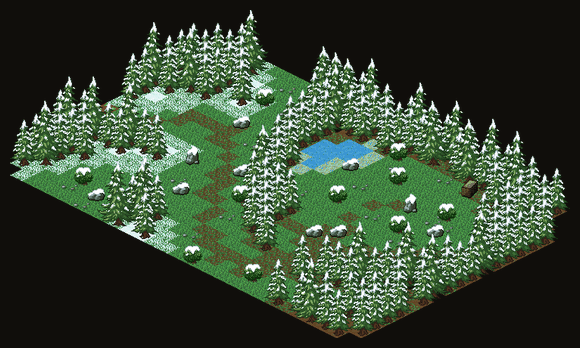
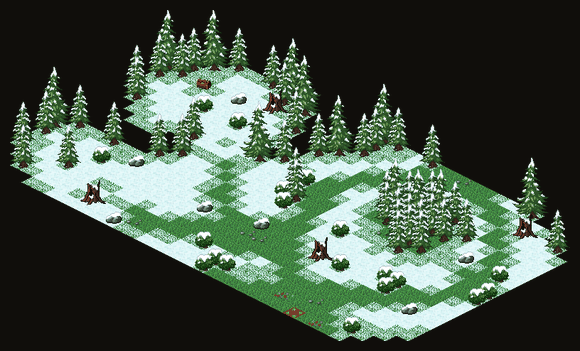
The same goes for Mistral Grove: eighteen rooms of snowbound forest, with will o’ wisps, treemen, reaperweed and demon dogs. Rooms are numbered in the order you walk them, so the main path, 40 to 47, is known; the side rooms are not.
The Arena towns
The duelling game from before the chapters. The towns open, but their sixty-four server scripts are gone, so most screens are empty.
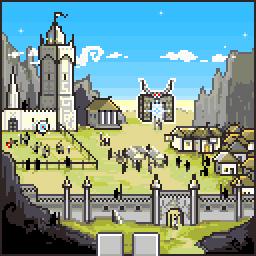
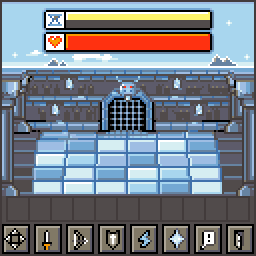
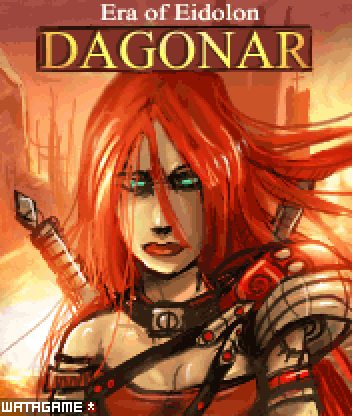
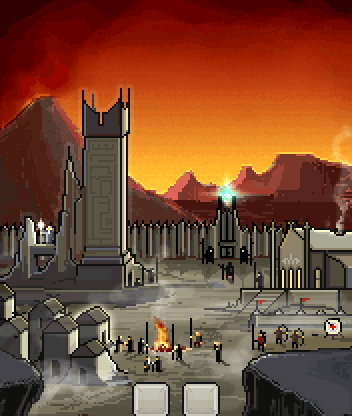
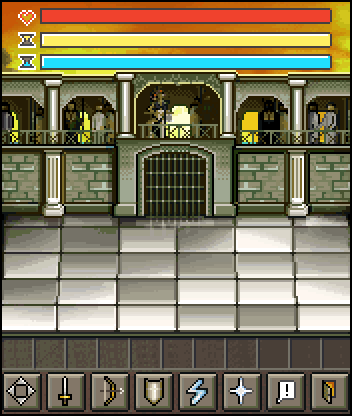
Orumant drew on a 128×128 screen. A year later Dagonar had 176×208.
The card tables
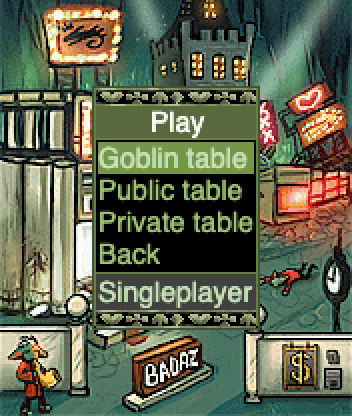
Badaz Blackjack (June 2005) and Badaz Poker (September 2005). Both work fully: the goblin table, accounts and gold, and public tables against other people.
What I made up
The maps, doors, creatures, quests and dialogue are all original, straight from that one jar. The numbers lived on the server, so these are mine:
- Hit points, damage, gold, experience and prices: all lived on the server, all mine now.
- The shop - unclear which items were available in the shop.
- How creatures fight: they walk up and hit you. Lighter ones hit more often.
- Starting stats, set low so there’s room to grow.
- The ending: the original closing scene came from the server, so you get a short epilogue and stay in the world.